February 28, 2026
Regular maintenance and professional auto repair are essential for keeping your vehicle operating at its best and lasting longer than the average lifespan. Modern vehicles combine advanced electronics, high-performance engines, and complex mechanical systems, making routine care more important than ever. Proactive maintenance addresses small issues before they become costly repairs, improves safety, preserves fuel efficiency, and maintains vehicle value over time. It also reduces the stress and inconvenience of unexpected breakdowns that can disrupt daily life. A well-maintained vehicle performs more reliably, handles more smoothly, and provides a safer driving experience. According to Broadly, the average age of a vehicle stands at 12.3 years, which underscores the importance of consistent care to help your vehicle exceed the average and remain dependable for many years. Investing time and attention into maintenance is not only practical but also a financially wise strategy, extending your vehicle's lifespan and helping you get the most out of your investment.
Maintaining Regular Vehicle Maintenance
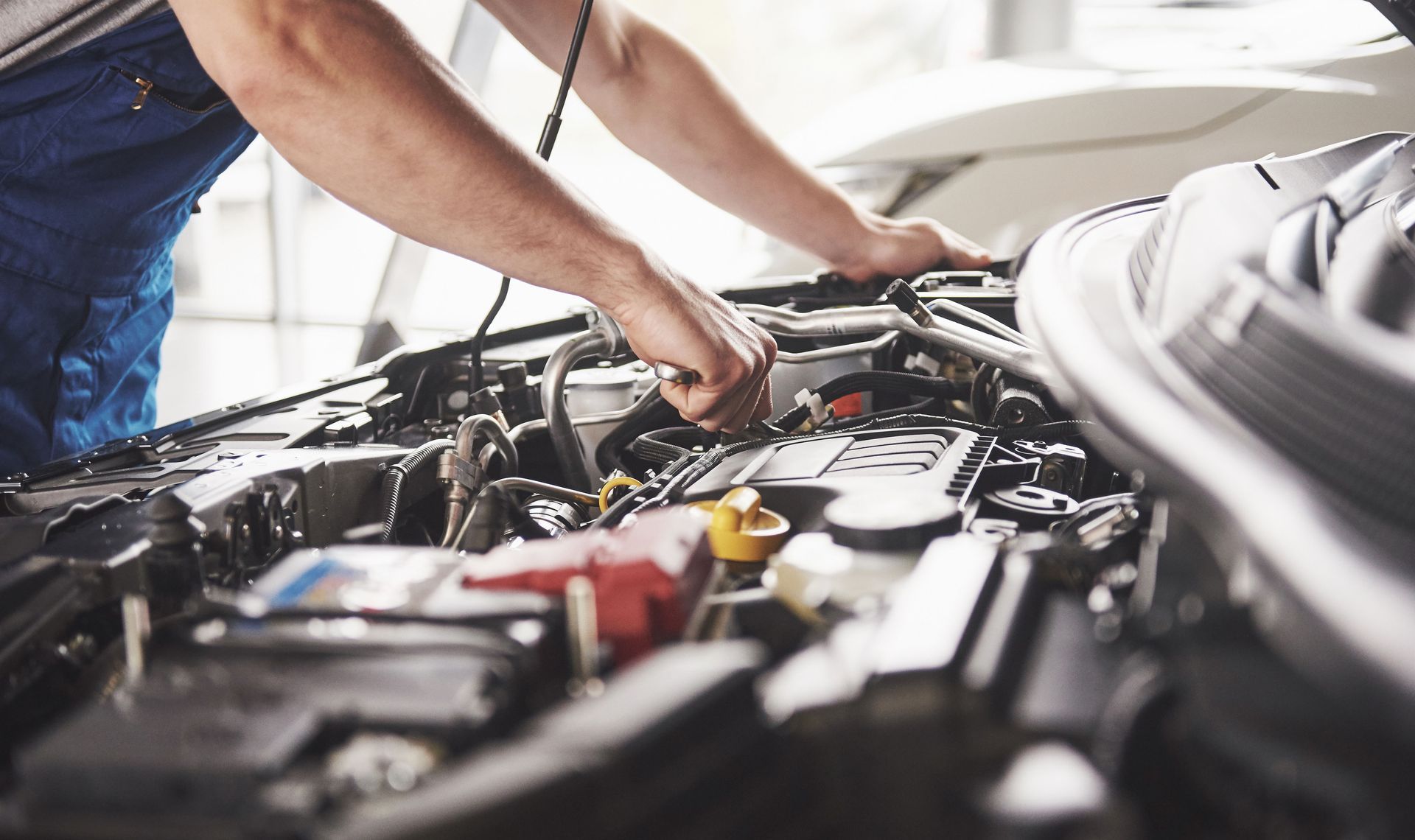
Routine maintenance is the foundation of vehicle longevity. Regular inspections allow technicians to detect worn components or potential failures before they escalate into major issues. Simple maintenance tasks, such as replacing worn brake pads or changing engine belts, are far less expensive than addressing serious damage caused by neglect. Scheduled services reduce the likelihood of unexpected breakdowns, keeping daily commutes and road trips stress-free. Vehicles that receive consistent attention remain responsive, fuel-efficient, and safe to operate, contributing to a better overall driving experience.
Routine oil changes, air filter replacements, tire rotations, and fluid inspections play a major role in maintaining engine efficiency and smooth performance. Ignoring these small yet critical steps can lead to decreased responsiveness, reduced fuel economy, and premature wear on essential systems. By staying on top of these maintenance tasks, owners keep their vehicles running efficiently while minimizing long-term costs. Proper upkeep makes driving more enjoyable, ensures consistent performance, and helps prevent larger repairs that could interfere with day-to-day life.
Following manufacturer-recommended service schedules also protects warranty coverage. Many vehicle warranties require adherence to maintenance intervals for continued validity. Skipping routine maintenance could result in voided warranties, leaving owners responsible for costly repairs. Maintaining these schedules not only preserves the vehicle's functionality but also safeguards the financial benefits associated with warranties. Keeping up with routine auto repair strengthens reliability and supports long-term confidence in your vehicle.
Choosing the Right Auto Repair Service
Selecting the right auto repair provider is a crucial step in protecting your vehicle's performance and longevity. Researching shops online and reviewing customer feedback can provide insight into the quality of service, pricing transparency, and communication practices. Mechanics with proper certifications and experience in your vehicle's make and model are more likely to accurately diagnose problems and complete repairs efficiently.
Clear pricing and guarantees on work provide financial reassurance and prevent unexpected expenses. Transparent communication ensures that vehicle owners understand the services being performed, the costs involved, and the expected outcomes. Choosing an auto repair service with these qualities helps maintain your vehicle in top condition, supports long-term reliability, and reduces the risk of mismanaged repairs.
Addressing Common Auto Repairs
Vehicles require attention to several critical systems to remain safe and reliable. Brakes, for instance, need routine inspections, pad replacements, and rotor maintenance to maintain optimal stopping power. Engine diagnostics help identify performance issues early, preventing reduced fuel efficiency or potential damage. Transmission maintenance, including fluid changes and mechanical adjustments, prevents costly failures and ensures smooth shifting. Paying attention to these systems protects both safety and overall vehicle functionality, keeping repairs manageable and predictable.
Beyond the major systems, subtle wear and tear can quietly affect overall performance if left unchecked. Components such as belts, hoses, and electrical connections work behind the scenes to keep the engine and other systems operating smoothly. Small issues like a weakening belt or a developing leak can create stress on the engine or transmission over time, leading to larger, more expensive problems. By monitoring the vehicle's operation, noticing unusual sounds or changes in performance, and addressing these issues early through professional auto repair, drivers can maintain reliability, improve efficiency, and help their vehicles last longer.
Leveraging Technology in Auto Repair
Modern technology plays a central role in efficient and precise auto repair. Advanced diagnostic tools allow technicians to pinpoint problems quickly and accurately, reducing unnecessary repairs and saving time. Software updates and electronic control unit (ECU) tuning optimize vehicle performance, improve fuel efficiency, and address potential electronic issues before they become serious problems. Automated service tracking helps owners monitor past and upcoming maintenance, providing a clear roadmap for continued care. Utilizing these technological tools enhances performance, minimizes downtime, and extends the life of your vehicle.
Achieving Cost Savings Through Professional Repairs
Timely auto repair offers significant long-term savings. Minor repairs addressed early prevent costly damage to major components, such as brakes, transmissions, or engines. Proper maintenance also contributes to better fuel economy, lowering operational costs and reducing environmental impact. Maintaining a detailed service record increases resale value, as prospective buyers recognize the advantages of a well-maintained vehicle. Insurance incentives and manufacturer loyalty programs often reward consistent upkeep, creating additional financial benefits. Investing in professional auto repair provides ongoing value while safeguarding your vehicle for years to come.
Maximizing Vehicle Longevity
Maximizing vehicle lifespan requires a combination of timely repairs, high-quality parts, and regular maintenance. Using premium parts and fluids reduces the risk of premature failure and keeps systems operating smoothly. Prompt attention to mechanical issues prevents minor problems from affecting other components, while following a comprehensive service plan provides consistent, proactive care. Routine checks of fluid levels, tire condition, and brake performance help identify potential problems before they escalate, maintaining the vehicle's efficiency and reliability. Each of these steps contributes to longer-lasting performance, improved safety, and a more enjoyable driving experience.
Auto repair should be viewed as a proactive strategy rather than a reactive necessity. Regular service and maintenance protect both the functionality and value of your vehicle. With careful attention, exceeding the average vehicle age of 12.3 years is achievable. Each maintenance appointment builds a history of care that enhances reliability, performance, and safety. Working with a professional auto repair provider allows owners to address immediate needs while establishing a foundation for long-term vehicle resilience and peace of mind.
A structured, holistic approach to auto repair ensures the highest level of reliability and performance. Combining preventive maintenance, timely repairs, quality replacement parts, and clear communication with your service provider creates a system for long-term vehicle health. Attention to all critical systems—from brakes to transmission to engine electronics—minimizes costly breakdowns and keeps your vehicle running smoothly. Utilizing modern diagnostic tools and following a tailored maintenance schedule further extends the lifespan of your car. Consistency in these efforts allows owners to experience better fuel efficiency, reduced operating costs, improved resale value, and continued enjoyment of driving.
Investing in professional auto repair services is the most effective way to extend the life of your vehicle. Regular maintenance, timely repairs, and modern diagnostics all contribute to optimal performance, improved safety, and a longer lifespan. A comprehensive approach that includes high-quality parts, a clear maintenance plan, and consistent attention to all vehicle systems allows your car to surpass the average lifespan benchmark while remaining reliable and efficient. Begin your auto repair routine today with Blue Collar Automotive Repair to protect your investment.